



Did you enjoy this podcast?
Please consider making a donation.
SUMMARY
In Part 2 of this podcast on Schizophrenia, we’re joined again by Katrina Tinman (peer support worker with lived experience of schizophrenia), Chris Summerville (CEO of the Canadian Schizophrenia Society), and Dr. Phil Tibbo (clinical/research psychiatrist who specializes in psychosis-related illnesses). They dig deep into emerging holistic recovery approaches that integrate biological, psychological, social, vocational, and spiritual supports. They also explore stigma, impacts of COVID-19, needed changes to public policy and the mental healthcare system, and the world of schizophrenia 20-30 years from now.
TAKEAWAYS
This Part 2 podcast will help you understand:
- Emerging diagnostic practices and medications
- Integrated healing that incorporates biological, psychological, social, vocational, and spiritual recovery supports
- Benefits of meditation/mindfulness and positive lifestyle choices
- Benefits of creative therapies that use art, music, drama, and writing
- Advances in personalized/precision medicine
- Advances in technology and the Internet to support recovery
- Effects of COVID-19
- Stigma’s impact on recovery
- Challenges for families of people with schizophrenia
- What medical professionals need to know about schizophrenia
- What public policy changes would support recovery
- Why changes should be made to the mental healthcare system
- What the world of schizophrenia could look like in the future
SPONSORS



RESOURCES
RECOVERY:
- Research Into Recovery
- Recovery Model of Mental Illness: A Complementary Approach to Psychiatric Care
- A National Framework for Recovery in Mental Health
- Recovery-oriented Practice − An Implementation Toolkit
PEER SUPPORT:
- Peer Support
- The Future is Peer Support
- Using Peer Support in Developing Empowering Mental Health Services
MENTAL HEALTH STIGMA:
- Fighting Stigma and Discrimination Is Fighting for Mental Health
- Stigma and Discrimination
- Addressing Stigma
- Five Ways to End Mental Health Stigma
SCHIZOPHRENIA:
GUESTS
Katrina Tinman
 Katrina Tinman is a peer support worker for Peer Connections Manitoba, formerly the Manitoba Schizophrenia Society, and is located at the Mental Health Crisis Response Centre in Winnipeg, Manitoba. Katrina is currently working toward formal peer support worker certification with Peer Support Canada, though she already has peer support certification through the Ontario Peer Development Initiative.
Katrina received a university education in journalism and political science in 1998, from North Dakota State University in Fargo, North Dakota. Since then, she’s had a wide range of life experiences from working in the professional arena, extensive travel, motorcycle riding, alpine skiing, and SCUBA diving, to homelessness and mental illness. Regardless of some negative life experiences, Katrina’s greatest achievement was a sense of fearlessness that carried her through along with hope for the future. Now she’s able, through her peer support work, to use her life’s insights to help others in their recovery from crisis and mental illness.
Email: k.tinman@peerconnectionsmb.ca
Website: www.peerconnectionsmb.ca
Facebook: www.facebook.com/katrina.tinman.5
Twitter: https://twitter.com/tinman_katrina
Linkedin: www.linkedin.com/in/katrinatinman
Chris Summerville, BA, MDiv, M.Miss, D.Min, LLD (Honorary)
 Chris Summerville is from a family with mental health challenges (father and brother with bi-polar disorder, a brother with schizophrenia, siblings living with depression, and two suicides). He has also received mental health care himself, which has informed and inspired his work as CEO of the Schizophrenia Society of Canada since 2007.
Chris has been involved with the schizophrenia-recovery movement for nearly 30 years, having served on the boards of the Mental Health Commission of Canada, Mood Disorders Society of Canada, National Network for Mental Health, and Psychosocial Rehabilitation Canada.
Chris earned a doctorate from Dallas Theological Seminary, is a certified psychosocial rehabilitation recovery practitioner (CPRRP), and received an honorary Doctor of Laws from Brandon University in 2014. He is a regional, provincial, and national leader and advocate for a transformed, person-centered, recovery-oriented mental healthcare system, and believes mental health concerns should be addressed using integrated bio-psycho-social-spiritual-vocational approaches.
Email: Chris@schizophrenia.ca
Website: www.schizophrenia.ca
Facebook: https://www.facebook.com/SchizophreniaSocietyCanada
Twitter: https://twitter.com/SchizophreniaCa
LinkedIn: https://www.linkedin.com/company/schizophrenia-society-of-canada
Phil Tibbo, MD, FRCPC
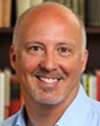 Phil Tibbo was named the first Dr. Paul Janssen Chair in Psychotic Disorders, an endowed research chair, at Dalhousie University in Halifax, Nova Scotia, Canada. He is a professor in the Department of Psychiatry with a cross-appointment in psychology at Dalhousie University, and an adjunct professor in the Department of Psychiatry at the University of Alberta. He is also director of the Nova Scotia Early Psychosis Program (NSEPP) and co-director of the Nova Scotia Psychosis Research Unit (NSPRU).
Dr. Tibbo is funded by local and national peer reviewed funding agencies and well published in leading journals. His publications are primarily around schizophrenia, and his current foci of study include individuals at the early phase of, and individuals at risk for, a psychotic illness. Dr. Tibbo’s areas of research include application of in vivo brain neuroimaging techniques, to study psychosis as well as research interests in co-morbidities in schizophrenia, psychosis genetics, addictions and psychosis, stigma and burden, pathways to care, education, and non-pharmacological treatment options.
Dr. Tibbo is president of the Canadian Consortium for Early Intervention in Psychosis (CCEIP), helping to advance early intervention care at the national level. He is a recipient (2015) of the Michael Smith Award from the Schizophrenia Society of Canada for research and leadership in schizophrenia, recipient of the Canadian Alliance on Mental Illness and Mental Health’s Champion of Mental Health Research/Clinician award in 2017 and, most recently, recipient of the 2018 Regional Prix d’excellence – Specialist of the Year – Region 5 by the Royal College of Physicians and Surgeons of Canada.
Email: phil.tibbo@nshealth.ca
LinkedIn: https://www.linkedin.com/in/phil-tibbo-62170b18/
HOST
Jo de Vries is a community education and engagement specialist with 30 years of experience helping local governments in British Columbia connect with their citizens about important sustainability issues. In 2006, she established the Fresh Outlook Foundation (FOF) to “inspire community conversations for sustainable change.” FOF’s highly acclaimed events include Building SustainABLE Communities conferences, Reel Change SustainAbility Film Fest, Eco-Blast Kids’ Camps, CommUnity Innovation Lab, Breakfast of Champions, and Women 4 SustainAbility. FOF’s newest ventures are the HEADS UP! Community Mental Health Summit and HEADS UP! Community Mental Health Podcast.
Website: Fresh Outlook Foundation
Phone: 250-300-8797
PLAY IT FORWARD
The move toward optimal mental health becomes possible as more people learn about the challenges, successes, and opportunities. To that end, please share this podcast with anyone who has an interest or stake in the future of mental health and wellness.
FOLLOW US
For more information about the Fresh Outlook Foundation (FOF) and our programs and events, visit our website, sign up for our newsletter, and like us on Facebook and Twitter.
HELP US
As a charity, FOF relies on support from grants, sponsors, and donors to continue its valuable work. If you benefited from the podcast, please help fund future episodes by making a one-time or monthly donation.
Recent Episodes
- ‘MIND’ING NATURE: Cultivating Childhood Wellness Outdoors
- NATURE’S PLAN: Using Natural Frameworks to Build Mentally Healthy Communities
- WORLD HAPPINESS REPORT Reveals a Bright Light in Dark Times
- JO’S JOURNEY: A Personal Story of Healing From Fear & Anxiety
- SENIORS’ MENTAL HEALTH: Part 2 – Social Influences, Life Circumstances, Personal Choices & Better Care
- SCHIZOPHRENIA: Part 2 – Integrating Bio-Psycho-Social-Vocational-Spiritual Recovery Approaches
- RESILIENCE: Choosing How to Feel, Think & Behave
- SCHIZOPHRENIA: Part 1 – Stories, Signs, Myths & Recovery Movements
- SENIORS’ MENTAL HEALTH: Part 1 – Personal Stories, Professional Insights & COVID Reflections
- WORKPLACE MENTAL HEALTH: Part 2 – Groundbreaking Union & Business Solutions
- WORKPLACE MENTAL HEALTH: Part 1 – Trailblazing Research & Regulatory Approaches
- BRAIN TOUR: A Superhero’s Mental Health from Both Sides of the Cape
- WEALTH IN MENTAL HEALTH: Mobilizing a Just & Green Recovery Economy
- STIGMA: From Stereotyping & Discrimination to Compassion & Inclusion
- ROLE CALL: Local Governments’ Contribution to Community Mental Health
- DEPRESSION: Key Links Between Lived Experience & Emerging Science
- VETERANS’ MENTAL HEALTH: Personal & Scientific Perspectives on Healing
- e-MENTAL HEALTH: Vast and Profound Opportunities for Better Care
- MENTAL HEALTH CARE SYSTEMS: Downstream Losses vs Upstream Wins
Katrina Tinman, Chris Summerville, Phil Tibbo Interview Transcript
You can download a pdf of the transcript here. The entire transcript is also found below:
RICK 0:10
Welcome to the HEADS UP Community Mental Health podcast. Join our host Jo de Vries with the Fresh Outlook Foundation, as she combines science with storytelling to explore a variety of mental health issues with people from all walks of life. Stay tuned.
JO 0:32
Hey, Jo here. Thanks for joining me again with my three incredible guests as we continue our conversation about schizophrenia, this time focusing on integrated recovery support, emerging science, and advancing technology. We'll also touch on the stigma faced by people with the illness, and gaps in the current mental health care system.
But before we dig back in, a big shout out to our amazing sponsors, the Social Planning and Research Council of BC, Emil Anderson Construction, WorkSafe BC, and AECOM Engineering Canada. We celebrate them as their continued support is fueling our passion for improving mental health literacy.
Again, my three guests are Katrina Tinman, a peer support worker with Peer Connections Manitoba, Chris Summerville, Executive Director of the Schizophrenia Society of Canada, and Dr. Phil Tibbo, a Canadian psychiatrist who studies, treats, and advocates for people with psychosis and schizophrenia. In Part 1 of this podcast, we heard personal stories and learned about signs of the illness, myths, and recovery movements. Dr. Phil Tibbo also talked about past diagnostic practices. To start this episode, we'll connect with Phil again about diagnostic practices today, and what research is telling us about them.
PHIL 2:06
It's a big area of research. And I think I mentioned earlier, we're still not at a point where we can do a blood test similar to other medical illnesses, and from that result in a diagnosis. So there's still a lot of work going on here, and especially at early phases of illness as well. And so a lot of the research is looking at multimodal or multifaceted approaches to diagnosis, that can include not only from interview and behavioral, looking at symptoms, but as well as what we call the biological markers, biological indices, which can be some of the neuroimaging research. Some very exciting work going on even EEG type of research within brainwaves, but as well as in genetics too.
The one difficulty with schizophrenia, and again, different from some other medical illnesses where it's a single gene, and something wrong with that gene causes a medical illness. We know that's not the case for psychosis and schizophrenia. And often what it's called is an illness with multiple genes of small effect. Research is active in here, but really that focus is to really help us to identify early. But it'll probably be, like I say, multifaceted or a multimodal sort of approach to diagnosis.
I wish I can kind of drop in in 20 30 years time and see what the approach is going to be. I think we're going to see a difference from how we're approaching things now to what it will be in the future, which is of course, the way that it should be. I mean, we're doing things differently than what we were doing 20 30 years ago as well.
JO 3:38
Let's now hone in on current treatment strategies that focus on integrating biological, psychological, social, and vocational support, as well as psychosocial rehabilitation. And we're gonna break that down, so don't worry about all those big terms. Starting with biological support, Phil from what I understand, biological or brain-related effects are still best treated with anti-psychotic medications, which ideally, are only one part of an overall treatment plan. Is that what you're seeing?
PHIL 4:17
Yes, you still have to consider that schizophrenia is a brain illness which needs to be treated, and medication can be a cornerstone of that treatment. But as a result of the illness, there are other things that may be needed when we were looking at other non-biological therapies. Definitely have psychotic medications are a cornerstone. Now that said, the amount of medication or the length that somebody is on a medication really depends on the individual and really what their needs are as well. Because I have individuals that I see that may need medications for actually a fairly short period of time, and they've been doing well with no medications at this point. It really is kind of individual, but yet yes from biological standpoint, the anti-psychotic medications are a cornerstone treatment.
JO 5:04
Kat and Chris, in your personal experience and as shared by your peers, what are the pros and cons of anti-psychotic medication? And are people's responses changing over time as the medications change?
KATRINA 5:21
It gets to symptoms versus side effects. As I went through the process of finding what medication would work, it was a journey that lasted about 10 years. And I'd ran the gamut of, well, three I can remember Lexapro, Risperdal, and Zyprexa. But nothing really fit. Remember the description of the spectrum, and trying to find where things fit. And for me, it wasn't until 2013 when I ended up fortunate enough to have a doctor to work with me at length, to find the right medication that would actually be the best fit for me, in communication with me. And it turned out it was one of those that hadn't even been invented until right around that timeframe. Abilify turned out to be the right one for me.
CHRIS 6:15
Well, certainly, antipsychotics and antidepressants can address the symptoms of psychosis and mood disorders and minimize them. But as one of our former chiefs of psychiatry here in Manitoba said, "If only the medications did everything that we hoped that they would do." Unfortunately, as Katrina stated, there can be significant side effects. And there are many side effects that we don't have time to go into. But the two that I would mention most pronounced are cardiovascular illnesses and metabolic illnesses. And that's one reason why many people don't want to take the medications or discontinue after a while, because of that fear.
JO 6:57
Phil, what advances are being made to make these medications more accessible and effective with fewer side effects?
PHIL 7:05
There's a lot of research and development going into newer medications. And I think we always have to be careful in our discussion around this. Because while there may be cardiovascular, may be metabolic side effects, it's not a given. Significant number of individuals that I see that do not have any side effects with their medications. That's with our open and honest discussions. But we have to be mindful of when that can occur, and just be able to catch it early.
I know we'll talk about stigma, but there is a stigma about medication that has resulted and it's probably from the older medication. The research and development these days, the focus is on developing an effective medication with little to no side effects. With a better understanding of the illness, with better understanding of brain receptors, there's more targeted, more focused research on the development of these types of medications. I have to agree that there was a period of time where there's a lot of sort of what I call 'me to' medications being developed, very similar to ones that are already out there. But what we're seeing now is just that more focused, more targeted development.
JO 8:14
Phil, what about options for people who might forget to take their medications, or choose not to take them for whatever reason?
PHIL 8:21
We've had, I'll use the term LAI's, long-acting injectable medication. We've had them for a while. But for similar reasons Katrina and Chris mentioned, you know, they've kind of fell out of favor because of their side effect profile. But recent developments have allowed us to have newer medications in that particular format with much fewer side effects. People can just be on a once-a-month injection medication, or once every three months. And there's product and development for other medications for once every two months.
I have this conversation with individuals that I see. It allows them to focus on their recovery, because they don't have to remember to take their medication. And I think that's an important piece. What some of young adults tell me is that they have to take a pill every day that just reminds them that they have an illness. But if they just need to come into the clinic once a month, or every three months for an injection, that helps them focus on their recovery as well.
JO 9:18
And Phil, while doing research for this episode, I came across information about using cannabis to treat psychosis. Is that legitimate?
PHIL 9:27
No. First of all, a couple of points around that. When we talk about cannabis, keep in mind if we're talking about just overall cannabis plant, there's over 100 active compounds within that. The two most common compounds people hear about, of course, are THC and CBD. And we know that THC is actually more of the risk factor with respect to psychosis development, and poor outcomes after the development of psychosis. There have been some studies trying to look at CBD, cannabidiol, and its potential role within a psychosis, but honestly, there's not a lot.
And we just recently published a position statement for the Canadian Psychiatric Association as well as a systematic review and meta-analysis, examining this literature and looking at randomized, controlled trials of different cannabis or cannabinoid products. There's actually only six studies in schizophrenia where they've looked at cannabinoid products, really not much effect. I'm not being negative about it. But just highlighting that we do need a lot more research into this area. And we have to be very clear on what sort of cannabinoid product that we're talking about.
JO 10:39
Let's talk about another piece of the recovery puzzle, which is psychological support. Psychological or mental and emotional effects associated with schizophrenia can include depression, anxiety, substance-use, suicidal ideation, and others. These often respond well to treatments such as cognitive behavior therapy, and other emerging approaches such as reality therapy and cognitive remediation. Phil, how do these work? And how can they be integrated with biological solutions?
PHIL 11:16
Well first of all, our approach is integrated. We look at, say, medication plus as well as the psychotherapy and psychosocial treatments as well. Having more tools in our toolkit to be able to address the illness. We will have some people who will definitely benefit from cognitive behavioral therapy for psychosis. And that really allows an individual to learn how to adapt, and respond, and develop strategies to work with their symptoms, for example, so that an individual is not as stressed by their symptoms or able to manage them so that they can do what they want to do, basically, in their day-to-day lives.
There's a number of different strategies and therapies along these lines. Some are more similar to each other than not. We have a sort of service and commitment therapy as well, ACT, plus as you mentioned, CBT. But they're really there to help augment that individual's experience with their symptoms, or for example, with comorbid symptoms as well, such as depression and anxiety.
JO 12:17
So Chris and Kat, are your peers ever hesitant to add these therapies to their recovery plans?
KATRINA 12:25
I know I wasn't. In talking with peers, we usually do touch on some of these possibilities. And there's usually enthusiasm at the idea. Oh yeah, I heard of that, or along those lines where they are willing to engage.
CHRIS 12:43
I don't think there would be a hesitancy in general, if people were aware of what their various therapies are. There are many what I call, talk therapies that we can utilize today. Some have been mentioned, cognitive remediation, cognitive behavioral therapy, dialectical behavioral therapy, and acceptance commitment therapy, and family therapy. People in general, I think, have a fear of going into therapy because someone's going to try to fix me, and I have to expose them to, and I have to reveal all of my problematic thinking or what have you.
So, I think the goal of these therapies have to be clearer for the patient or the client, and that is helping one to manage difficulty in the area of cognition and their thinking, helping them in their executive skills, helping them to improve their communication skills and relationships. So, the therapy has to be explained to people that it will be more than a supplement to the medication, where the medication is not able to address certain issues. Talk therapies have been demonstrated to promote the recovery process.
JO 13:47
What are the biggest barriers to people not receiving the psychological support they need?
CHRIS 13:53
Well number one, here in Canada, psychological support services are not covered by our health care system unless you're a patient in the hospital. But once you're out in the community, you have to shell it out of your own pocket, and most people can't afford psychological support therapies. And also, the lack of awareness about the role that trauma can play in psychosis and recovery. A lot of people don't know about that. And many service providers may not actually be trained in trauma informed care, due to the lack of trauma informed services. So all those things that I've just mentioned, can be great barriers to people receiving the appropriate psychological supports that they need.
PHIL 14:32
I'll have to step in and agree with that. Access and availability is a big thing. The other thing to consider as a barrier. Families talk to me about this kind of at the beginning, when is psychotherapy going to start? And sometimes the barrier, of course, is the illness itself and that person to be able to engage and work within some of these therapies, they have to get to a certain cognitive level to be able to do that. And that's where sometimes we have to wait a little bit of time until we get some better control on some of those symptoms, so that people are then able to engage in some of the psychosocial and talk therapies that would be helpful.
JO 15:08
What about creative therapies that use art, music, drama, and writing?
KATRINA 15:14
Those, speaking from a person of lived experience and pure perspective, can be very, very useful for meditations and journaling, because really it helps somebody walk through and process thoughts, feelings, and experiences. And I personally think that can be very valuable, as it's really helped me in many ways.
PHIL 15:40
I'd have to agree. We've been researching areas of this as well, and we published on this too in a number of different formats and looking at mindfulness-based support groups for families looking at self compassion, and mindfulness, in relation to depression and anxiety. And interestingly too, we've even published on claymation art therapy in our youth and young adult population and the benefits of that. One person may do well with claymation art therapy, and another person not interested at all. So, it helps to be able to investigate and to know that these types of therapies and creative therapies can be helpful.
JO 16:14
In your stories and insights, I'm hearing that social support is also vital for people recovering from schizophrenia, this being available through peer support, self-help programs, and family education and support. Chris, what are the biggest barriers to people receiving the social support they need?
CHRIS 16:35
Society in general and the media as well, they tend to think that it's just all about medication. You wouldn't believe how many times I've been asked this question through the over 1500 media interviews that I've done, in which I will be asked, "well, how do we make sure these people stay on their medication?" As if medication was the cure all? Again, education is needed that, quote, the treatment of mental illness, and particularly schizophrenia that we're talking about today, is very holistic, so a holistic approach. And that means, what do we do to help people when they're in the community, back at home, back in the community? What kinds of social supports do they need? Whether it's peer support, support groups, whether it's accommodations in pursuing education, accommodation and getting a job, adequate housing, decent income, all those factors.
As a society, I think we get it with most other illnesses. These kinds of questions didn't come up when my wife was experiencing breast cancer. There was pure support, there was family engagement, there was family education. There was not just attempts but helping her to connect with various community agencies.
One of the things that perhaps gets in the way, which we'll talk about later, is that this profound stigma and prejudice towards people who have a mental illness that live in our community, that affects our policies, that affects our funding. It's a great misconception out there that to address mental illnesses is just a matter of the medical. But as we've listened to Dr. Tibbo and Katrina, they've articulated well that psychological, social, the communal aspects involved in recovery are equally important.
JO 18:35
Kat, can you share a story of how important social support is?
KATRINA 18:40
The way I'll share it is actually to state that sometimes we hear feedback as peer support workers from our peers, as we're going through the process and discussing with them where they're at and where they're going, and what they're working on, and what they're trying to accomplish. And one of my peers sent back the message, for instance, that I made them feel comfortable, and that I connected with her, that I was nurturing, and calming, and helped that peer make their own decisions that were right for them.
And that's, I think, an important piece, that connection to the recovery process and that non-aloneness. And I think that is something that peer support is demonstrating. What we're doing right now at the Mental Health Crisis Response Center is a pilot program. The feedback that we're getting is huge, phenomenal to positive that, yes, this is worth it.
JO 19:41
I know you're researching the effectiveness of non-pharmaceutical treatment options like therapy and peer support. What have you learned so far?
PHIL 19:52
Well, I think the high-level approach to this question is really important. And that we need to continue with our research in looking at non-pharmaceutical options, and the different types of therapy and peer support. Specifically finding out what we can use, what has the best effect, will be important for the population that we work with as well. We have researched peer support and we have found, yes definitely, it is needed and people, as Katrina mentioned, do benefit from it in many varieties of ways.
JO 20:21
Chris as a recovery practitioner, you're very familiar with psychosocial rehabilitation, which I've learned among other things, includes case management, advocacy, structured living residences, and rehab centers, for example. Tell us more about that. And what are the biggest barriers to people receiving the rehabilitation they do need?
CHRIS 20:46
We have here in Canada, what's called Psychosocial Rehabilitation Canada, an organization that promotes psychosocial rehabilitation of all mental health service providers. So it's not just limited, let's say, to social workers or mental health workers. So let me just define it. First of all, psychosocial rehabilitation, also sometimes called psychiatric rehabilitation, it promotes personal recovery, successful community integration, the satisfactory quality of life for persons who have a mental health problem or mental illness.
Psychosocial rehabilitation services and supports, they're what we call collaborative, person directed, individualized, and we believe they're essential element of human service prospective. And so the goal of psychiatric rehabilitation, or psychosocial rehabilitation is focused on helping individuals develop skills, and access the resources needed to increase their capacity to be successful and satisfied, in what we would call living, working, learning, and social environments of their choice.
And so you need a wide continuum of services and supports. The approaches, they are evidence based. And they are promising practices in key life domains of, let's say, employment, education, leisure, wellness, and basic living skills. And family involvement, family peer support, individual peer support are very important aspects of psychosocial rehabilitation.
JO 22:18
Chris, what needs to be in place for this to happen?
CHRIS 22:22
Truly integrated comprehensive mental health services in which the various sectors are endorsing and creating relationships with each other. So whether that's psychiatrists, social worker, a mental health worker, spiritual health care director. The team of support around the patient, they're not in competition with each other. They are to be working as a team when they have their meetings, and hopefully, with the patient there, listening to the patient.
Again, that's that question. What do you feel would help you? What do you feel you need at this point? And as well as offering, what I want to say as wisdom through listening, offering a wisdom back to the patient in helping them to find the various supports and services in and outside of the hospital, that can promote the recovery experience.
JO 23:15
Let's expand upon that and look at vocational rehabilitation, and or training that prepares people with schizophrenia for work that best meets their individual wants and needs. Chris, can you tell us more about that?
CHRIS 23:31
So let me just tell you a story to illustrate this point about vocational training. This individual's true-life story who had schizophrenia and he had gone through four mental health workers. Well, what happened with the fourth mental health worker? Began to listen to the individual because he was always very persistent with his mental health workers, that he wanted to be an astronaut. They would just dismiss that, "There's no way you can do that, because you have schizophrenia." Well, the fourth mental health worker began to listen to him and ask him, let's just assume that his name is Joe, and said, "Joe, why would you like to be an astronaut?" And he had seen the first moon landing and other things, and he was very enchanted that he wanted to be an astronaut.
So, she asked him then in the course of not just in one conversation, but as they developed their relationship. "Well Joe, what do you think would help you to be able to reach that goal?" And they talked about that, and perhaps hygiene could be a problem. Of course, they began to focus on education. "And so what school do you think there might be, and where would you like to go to school to learn more about this?" And so she encouraged him. "Well, why don't you try for one course?" And he took the course and guess what happened? He failed. But that's not the end of the story. She continued to encourage him about other options, and again, a true-life story. He eventually found work and began to work in a space aeronautics museum, welcoming guests and introducing them to the museum. So did he fulfill his goal and his dream? Yes, but it had to be adjusted. But she didn't give up hope on him in terms of his vocational desire.
JO 25:06
What a great story. In my research, I continually came upon the term personalized medicine. Phil, what is personalized medicine? And how could it revolutionize diagnosis and treatment strategies for schizophrenia?
PHIL 25:24
Personalized medicine, and sometimes people refer to it as precision medicine as well. So sometimes you hear those terms interchangeably. And really what it is, is the tailoring of the medical treatment to the individual, to the individual characteristics of each patient. It does rely on research, it does rely on an understanding of a person's own unique, molecular, and genetic profile as well, and how that can influence treatment.
If you think about a personalized medicine, it is really what's going to be appropriate, what's going to work for you specifically based on who you are, both biologically and otherwise. And really, this sort of came out of the advent of trying to figure out from a genetic perspective, how can we use an individual's unique genetic makeup to guide treatment decision? We're not quite there yet, in that respect, but it allowed us to be able to step back, though, and still think about, okay, what is appropriate for this person that's sitting in front of me. And I think that's a little bit more of a holistic approach to our treatment, and that is truly personalized.
Now, if we get to that stage where we can do a cheek swab, get a genetic makeup, and then say, okay, this particular treatment, either medication or otherwise, this is specific to you and will work the best. Obviously, that's a great outcome. Are we there yet? No. But research is going in that direction.
JO 26:46
One topic I didn't come across in my research is the role of lifestyle choices in recovery. Healthy habits, like getting enough sleep, eating well, and exercising regularly. Kat, how important have lifestyle choices been in your recovery? And do you teach life skills as part of your work with peers?
KATRINA 27:09
Lifestyle choices are very important in my recovery. It's something I pay very close attention to. As far as teaching life skills, we do workshops that do some form of teaching, but teaching as an agenda. It's more of an exploration type discussion.
JO 27:30
Phil, what do you see in your research and hear from your patients about the importance of lifestyle choices?
PHIL 27:36
Research obviously has shown that it's very important, these lifestyle choices. What are lifestyle choices? These could be anything from smoking, cannabis use, to sedentary lifestyle, activity, diet, a number of different choices. We know that individually each of those, and accumulatively each of those can have an effect on outcomes. And the research is pretty solid with respect to that. And so a lot of our focus, so once we get to some of the early sort of phases is, okay really, how can we improve lifestyle, what kind of healthy choices we can help people with lived experience make.
We do things, we have a project where we got some funding currently from our Mental Health Foundation, where we're trying to target our rural population. So we got Fitbits. So that allows us to measure and monitor some things along the lines of sleep and steps and exercise. But to be able to send that to their clinicians and to be able to have those discussions, that's sort of great talking points about lifestyle.
CHRIS 28:36
Let me combine that question about lifestyle choices and the previous one about personal medicine. Personal medicine, in terms of consumer movement or people who live with mental illnesses, it was really first introduced in early 2003 as a result of qualitative research conducted by Dr. Patricia Deegan. Now, Patricia Deegan is a psychologist, PhD, has lived experience of schizophrenia and experience of recovery. And so personal medicine along with what Dr. Tibbo said, is also about what we do that's medicinal for us in managing, let's say, my depression. What are those lifestyle choices that I know helped me in terms of managing all the stress associated with living with a mental illness? And stress can lead to relapse, we know.
So it's not necessarily something prescribed by a doctor or nurse. It comes from within, and it's finding that right balance of what to do and what we take in our pathway to recovery. So that can be mindfulness, can be spirituality, it can be running and exercise. Those things that you know help you to manage your illness in terms of stress management, increasing your resiliency, and your mental health as well, because people with a mental illness can have positive mental health. We know that. And so that word as Patricia Deegan has written about it, personalized medicine has to do with those things that we know that are uniquely medicinal for us, and helping us move forward in our recovery.
JO 30:16
Thanks Chris, great comments. Phil, is there any science to support the role of practices such as meditation in recovery?
PHIL 30:26
Yes, there is research on this. It's not necessarily for everyone. But for people who can do mindfulness-based practices and meditation, it definitely has been shown to be quite helpful in a number of different ways. I don't say for individuals with lived experience, but we published actually on mindfulness-based techniques for family members, and definitely see the benefits within that group as well.
JO 30:50
Advancing technology is another thing I'm hearing a lot about for diagnostic and treatment purposes. Phil, from your perspective and in your practice, can you bring us up to speed on that?
PHIL 31:02
Our advances of technology, we're trying to utilize those as best as we can, as quickly as we can as well. And also moving from research to clinical applications, of course, is really quite important. Kind of alluded to this a little bit earlier. We have had advances in the various brain imaging techniques to help us with diagnosis. And there's a lot of different types of brain imaging techniques that are focused either on brain structure, but as well as brain function, and of course, the different parts of the brain, white matter and gray matter.
And then other types of diagnostic technologies are there, treatments as well, such as rTMS. There's a lot of this that's happening. And I don't want to minimize that there's a lot of research that have gone into the development and use of smartphone apps as well, and their utility within helping people move forward with their lives and on their treatment to recovery goals.
JO 31:56
Chris, what about that technology for social support services?
CHRIS 32:01
Well, there are two things that COVID has surfaced for us. Number one has placed mental health definitely on the radar. Ninety-eight percent of Canadians are more concerned about the impact of mental health. Secondly, the use of virtual technology, and that will not go away after the pandemic. In fact, about a year and a half ago, I had my first FaceTime experience with my GP. I never thought that would happen. So use of Zoom and other technology to offer peer support individually, to offer support groups. Many of the schizophrenia societies across Canada are doing education with family members through virtual technology. So that's not going to go away after the pandemic. It is all in a state of development.
I think Dr. Tibbo, when he and I've had discussions on this, we have to look at safety, confidentiality issues, privacy, and having good standards. And then, are the various apps that have been developed and ought to be developed, are they evidence based and effective? So I'm excited about where virtual technology can lead us, especially for people who live outside of urban areas. But the great challenge is that many people with mental illnesses, especially if they're on income security, they don't have access to internet, they can't afford a laptop or an iPhone.
JO 33:24
Kat, how willing are your peers to take advantage of advancing technologies?
KATRINA 33:30
It's hard to conjecture, because every peer is different. As Chris pointed out, even the ability of some might be limited. But from what I'm hearing as we compare notes, peers and I, now hey I have that app, this app that works really good for me. It comes up. So I think, for the most part, it's very favorable in that direction.
JO 33:53
Chris mentioned COVID-19, and just a very quick question. Phil, how has COVID affected your patients with schizophrenia?
PHIL 34:03
Keep in mind that for my particular patients that I see, it's mainly youth and young adults, and actually the resilience there is really quite high. And the adaptation to virtual technologies, such as Zoom and having meetings along those lines, they're actually fairly quick to adapt to. However, what is also interesting is that a lot of the youth and young adults that I see actually didn't want to have their meetings via Zoom. They'd rather be in person. So we've tried our best to work with that. We obviously want to make sure that nobody is going to have relapse or have any ill effects because of COVID. I think we did a pretty good job of pivoting and shifting service delivery and care to accommodate that.
COVID-19 overall in the general population, there's a lot of research that has gone into that and we have seen an increase in, for example, substance use in this population. We've also studied acute care admissions to the inpatient units, and I've seen a shift during the height of COVID in states of emergency declarations, where the substances have played a role, a more significant role in admissions than they did before, as well as in a little bit older age group than what we would normally see in a non-COVID year.
JO 35:15
Chris, what are you seeing with your peers and their families as a result of COVID?
CHRIS 35:22
Each of my workdays, two to three hours now, have been devoted to taking phone calls and answering emails since the pandemic began, by individuals and family members who are looking for additional help. There is evidence that people with schizophrenia are more likely to develop the illness resulting from COVID-19, as opposed to the general population. I think fundamentally, what some recent reports have indicated is that it's become somewhat harder for people with pre-existing mental illnesses to consistently get not only psychiatric care, but also primary health care.
JO 36:02
Kat has the pandemic been difficult for you?
KATRINA 36:07
It's been challenging in ways for myself and for my peers. For instance, some describe that it slammed them when they were in healthy spaces. It actually slammed them right back into illness because it looked the same. Now, we were isolating, so they were isolated, again, or still. And that just took them back into it. Just as one example alone.
For me, I have to admit riding buses to commute to and from work is a challenge because of what I see. And it causes me a little stress. The people that pull their masks down on the bus when they're supposed to have it up, and stuff like that. But for the most part, I think it's, we're just all hanging in there.
JO 36:57
Before moving on to talk about stigma, I'd like to thank our major sponsors again, the Social Planning and Research Council of BC, Emil Anderson Construction, WorkSafeBC, and AECOM Engineering Canada. As a registered charity, we rely on support from sponsorships, grants, and donations. If you'd like to support our HEADS UP programming, please visit freshoutlookfoundation.org/donations.
As I say on every podcast, you can't have a conversation about mental health, without talking about stigma. Phil, how does stigma affect people you've researched and treated biologically and psychologically?
PHIL 37:40
Stigma can be a huge part of the illness. There are a number of elements to stigma as well. And I'm sure Chris and Katrina will elaborate on these as well, and some we've already alluded to as well within our discussion. Because stigma can affect people's entry into care. And that because of the stigma around the illness, or stigma actually even towards mental health, either themselves or even within their family members as well, can actually affect their pathways to care. And we've done some research on that and have been able to show that. And then when somebody is in care too, and we do have to work with what we sometimes call self stigma, people's perceptions and ideas of what a diagnosis of schizophrenia means and what it can mean. And so there's those elements as well.
And of course, we're trying to be the best advocates that we can for patients and our families. And that's where we try to work with the stigma in other areas around society towards the illness, towards mental health, of course, in general. Being those advocates and supports towards vocational or educational pursuits as well. We've definitely gotten a lot better with respect to that over the last number of years, but there still exists some of that stigma out there.
JO 38:54
Kat, how would you describe stigma from the perspective of a person with schizophrenia?
KATRINA 38:59
I would describe it as a belittlement. And a discreditation is a way of writing somebody off to make them not count. It's even, now how many times do you see it on TV used in a court of law, theoretically, to discredit somebody so much that that witness doesn't even count. It's a write off, and that's not fair.
JO 39:21
Chris, what about the impacts of social and vocational stigma on the people you're advocating for?
CHRIS 39:28
Well, first of all, we need to understand that all stigmas are built on the same formula. And that is misconceptions and myths, plus lack of education multiplied by fear, results in prejudice, and none of us are immune from prejudice. We all as a human experience. And what we need to do is to be able to look at our attitudes, confront them, and be willing to grow up, to change. Because there is societal stigma, and then when an individual with a mental illness internalizes society's stigma, we call that self stigma. So they think, well, I must have a broken brain and I'm not deserving. And then there's structural stigma in terms of laws, and policies, and practices that result in unfair treatment of people with a mental illness.
Now, what does it all result in? It's not just about hurt feelings. Stigma results in a reluctance to seek out treatment. It delays treatment, it increases morbidity and mortality, it results in social rejection, avoidance, and isolation. It results in worse psychological well-being for individuals living with a mental illness. There's poor understanding amongst friends and families. Stigma can lead to harassment, violence, and bullying, poor quality of life, increased socio-economic burden. That's above and beyond the shame and the self doubt that the individual may face.
That is perhaps our greatest enemy in promoting comprehensive mental health services and recovery oriented mental health services. That's why we have to advocate as Martin Luther King did, as other leaders and various other movements did, to claim our voice and to identify injustices where they are, and what impedes our being able to see people with mental illnesses as our brothers and sisters, our neighbor, and the fact that we should love one another as we love ourselves.
JO 41:33
Kat, you and Chris have both experienced the mental health care system. Just wondering what you've seen, as far as stigma goes within that system.
CHRIS 41:43
Well, the Mental Health Commission did a study a number of years ago amongst mental health service providers, and it found that stigma is alive and well within our mental health system, and those who provide psychiatric supports and services. So that might be surprising to people. None of us are immune to stigma, it has to be addressed. And whether you're a doctor, a psychiatrist, a police officer, a correctional guard in one of our prisons, people have to receive supportive education, which helps them to identify their attitudes, which leads to actions of discrimination, or improper behavior, or working with clients, patients, prisoners, etc. So this is a huge issue.
JO 42:36
So we're on the homestretch. Now, given what you've learned over the years, what would you say to give hope to people who are early in their recovery journeys?
CHRIS 42:48
What I would say is, I want you to meet Katrina. Katrina has lived experience of psychosis. But she also has found ways to move forward and live beyond the limitations of mental illness. She's a peer support worker. And so Katrina, through her lived experience, she will listen. And she will give you realistic hope. Because the hope for recovery is possible.
I know this is a difficult time for you right now. And the next couple of years, it may seem like you're not coming out of this deep, dark hole. So what I'm saying here is that I think introducing patients to a peer support worker as soon as possible, can help with the depression and the forlornness that a person may be experiencing by receiving a diagnosis of psychosis or schizophrenia. We need to be realistic, but also, we need to communicate hope that things can get better. And the person who can communicate that the best is a peer support worker who's been down that road and knows what helps and hinders recovery.
JO 43:53
Kat, what have you learned about hope?
KATRINA 43:56
I've learned that it is the most wondrous and beautiful thing in existence to have hope, and that life without hope, isn't life at all.
JO 44:06
Chris, what would you say to family members who are confused, fearful, and frustrated?
CHRIS 44:13
I would say that it's normal. It's very normal to be confused, and frustrated, and fearful, and to feel shame. It's normal. And that is not your fault. But that help is available. We know more than we've ever known before about schizophrenia, psychosis, treatment modalities, what helps in the recovery process. And so I would encourage the family who's new at all of this, that there are individuals known as family navigators, or family peer support workers, and that there's family education.
There are support groups because the family is in recovery too. The individual with schizophrenia or psychosis, they're not the only one in recovery. But the family is also on a recovery journey, in terms of dealing with their stigma. Dealing with their fears and their frustration, learning communication skills with their loved one who has a mental illness, and that there's hope for the entire family. And things can get better, but not minimizing the barriers and the frustrations that are there.
JO 45:17
Phil, what would you say to medical and mental health professionals to help them better understand schizophrenia, and to respond more compassionately?
PHIL 45:26
A lot of it is that storytelling, and a lot of what we're doing here tonight too, as well, and just appreciate that a diagnosis of schizophrenia is not necessarily a negative diagnosis, and that people can have great outcomes. And its outcomes based on the individual and what they perceive that their own personal sense of well-being and psychological well-being. And so appreciating and having them appreciate the various outcomes that can exist within schizophrenia and psychosis.
So it really comes down to still a lot of that education, that's important. It's not necessarily education, for example, from me from the medical community. It's also education for family members. It's education from people with lived experience, as well. And these are very important stories for the medical community to hear.
JO 46:08
How would you pitch the need for wholesale change in mental health care to the people making those policy and funding decisions, Chris?
CHRIS 46:18
Well, in terms of policymakers and politicians, I think that we not only point out to them, and most the time they know this already, that our current mental health system is not adequate. And it fails many people. And that most people struggling with a mental health problem or mental illness, are not getting the kinds of supports and services that we've talked about on this podcast today. But then I would move forward, promoting transformation of the mental health system through the recovery philosophy.
Australia, New Zealand, Scotland, England, has moved towards recovery oriented mental health services. In fact, the fastest growing occupation in the mental health system in England is that of peer support workers, embedding peer support workers in the mental health system, which can help transform the mental health system. We have to educate those who make policy, in politicians. And we have to get to administrators and hospitals and other domains, and not just write recovery into policies, but develop toolkits to help practitioners to move towards a recovery environment.
We have to be patient, but we have to be persistent. And we have to be consistent in our advocacy. And we have to speak with one voice. The best advocacy is collaborative advocacy. Unfortunately, there is still much debate within the mental health community about the medical model versus the recovery philosophy. But we have to persist, we have to be determined we can overcome.
PHIL 47:57
So it's a great question. And I guess I kind of go back to some of a little bit what I mentioned earlier, it shouldn't be me doing this pitch for wholesale change. And sometimes I really think it needs to come from those individuals who are living it, both the individuals with lived experience, and their family members. And oftentimes, our major changes in either service delivery, or funding, or policy have come because of the advocacy of family and individuals with lived experience as well. We can be there in the medical community to help support, and give that research, and give the data, and look at cost analysis. But the pitch needs to be unified with all the important stakeholders.
JO 48:38
And what would you say to those of us who may not know enough about schizophrenia, but who are willing to explore our ignorance and our conscious and or unconscious biases?
CHRIS 48:50
Well, it's all about contact-based education. So what I would say to a person is get to know someone, get to know that relative who has schizophrenia, and get to know that neighbour who is experiencing psychosis the same way I had to do when I was a racist in the deep south. In the first part of my life, as a child, as a teenager and young adult, I had to confront my racism. And the way I did that was by moving out of my supposed circle of safety. And that was getting to know people different from me, people of colour. Eating with them, praying with them, interacting, listening to their hopes and dreams. And then you see a person. So we have to do the same thing in terms of going beyond our comfort zones, to learning the truth about the reality of people who live with psychosis or any mental illness.
JO 49:44
Kat, any comments?
KATRINA 49:46
To those who are willing to explore, you'll find a whole new world because you'll rediscover people that were there the whole time.
JO 49:56
What I've discovered is a whole new world of potential. So, not only for people with schizophrenia, but for collaborative change.
CHRIS 50:06
Exactly. You mentioned a wonderful word, their potential. In fact, that is the mission of the Schizophrenia Society of Canada. Build a Canada, where people living with psychosis and schizophrenia achieve their potential. And that's what recovery is all about.
JO 50:26
So in closing, I have just one more question for each of you. Given what you've learned, personally and professionally, and what we're collectively learning through research and advancing technology, how do you envision the world of schizophrenia changing over the next 20 or 30 years? Kat, let's start with you.
KATRINA 50:48
That there won't be the fear of the illness to stop people from finding out if they need help, how to do it. That there won't be this belittlement that can lead to the self stigma, which feels horrible. That there will be treatments that encompass the wholeness of who you are, working together in greater capacity than where we're at now. We have made some progress, but we're not there yet.
JO 51:23
Chris, your vision?
CHRIS 51:24
We will live in a society in which no one is left behind. Not because they have schizophrenia or psychosis. That stigma will basically be a thing of the past, and it will not be our big albatross. That in fact, that treatments will go beyond anti-psychotics and won't even have to use antipsychotics. And that the recovery philosophy will be fully ingrained within our mental health system. That's what I hope for.
PHIL 51:56
I think we'll have a better understanding of the illness and understanding, for example, from the biological underpinnings of the illness. That will in itself help us to understand the best treatments for schizophrenia. So I think we'll see some advancement there within the biological treatments, but as well as the psychosocial or psychotherapy type of treatments, as well. And I think really what we're seeing as well, is just that better understanding and appreciation. I think in 20 or 30 years, we'll see some of the stigma being reduced as well.
I think what will continue to happen is that understanding of illness, and it's really getting back to that early intervention piece. And people understanding that if things aren't really quite right, they should get it checked out. And I do make that analogy when I do some public speaking about skin cancer, and that we've had enough education at this point to realize, okay, if we have a funny looking mole, we should get it checked out. May not be anything, but it may be something that needs a little bit more attention.
Hopefully, we will be in 20 or 30 years with mental health and wellness as well, is that enough education there to say, okay, if things aren't really quite right, then we should get it checked out. Again, maybe nothing, but it may be something that needs attention. The earlier that attention is there and the treatment than the better the outcomes.
JO 53:10
Thanks so much to all of you for your profound insights, ideas, and passions for making the world a much better place for people with schizophrenia, their families and friends, their employers, and society at large. Phil, I so admire and applaud your attention to the ever-changing details of diagnosis, and both pharmaceutical and non-pharmaceutical treatment options. Your boundless curiosity will certainly make schizophrenia less mysterious, and perhaps one day even curable or preventable.
PHIL 53:46
Thank you so much for that. And importantly, as these venues, these educational opportunities, these podcasts, are really going to help us to those eventual goals as well. Thank you very much for this opportunity.
JO 53:58
Kat and Chris, your willingness to be vulnerable so that others might be helped, is truly inspiring. And I'm sure will help to inform and transform the evolving conversation around social support and advocacy.
KATRINA 54:14
It's a pleasure to help. I know, if I would have had peer support years ago, things would have been different. And that's why I'm working so hard to be a peer support worker is to make that difference.
JO 54:31
Chris?
CHRIS 54:31
I hope that the listeners of this podcast will be inspired and motivated to take a different approach to seeing people who have a mental illness. And here's the statement, ask not what illness a person has, ask what person the illness has. See a person, not an illness.
JO 54:53
Thank you both. This is one of the most robust and powerful discussions I've had. The three of you, what you bring to the conversation individually is astounding, but how well you blended your experiences and insights is really truly remarkable. This has been a wonderful, wonderful experience for me.
That's a wrap on Part 2 of our podcast on schizophrenia. Be sure to catch Part 1, which focuses on stories, signs, myths, and recovery philosophy. Huge thanks again to our guests for sharing their amazing minds and spirits. To connect with Kat, Chris, or Phil, check out the episode show notes at freshoutlookfoundation.org/podcasts where you'll find contact info, complete bios, and a transcript. I'd appreciate you leaving a review as well.
I'm also grateful for all you listeners and hope this information inspires and mobilizes you along the rapidly changing road to recovery. If you haven't already signed up for monthly HEADS UP e-blasts about new episodes, please visit freshoutlookfoundation.org. And for ongoing information, follow us on Facebook at FreshOutlookFoundation and Twitter at FreshOutlook. In closing, be healthy and let's connect again soon.